

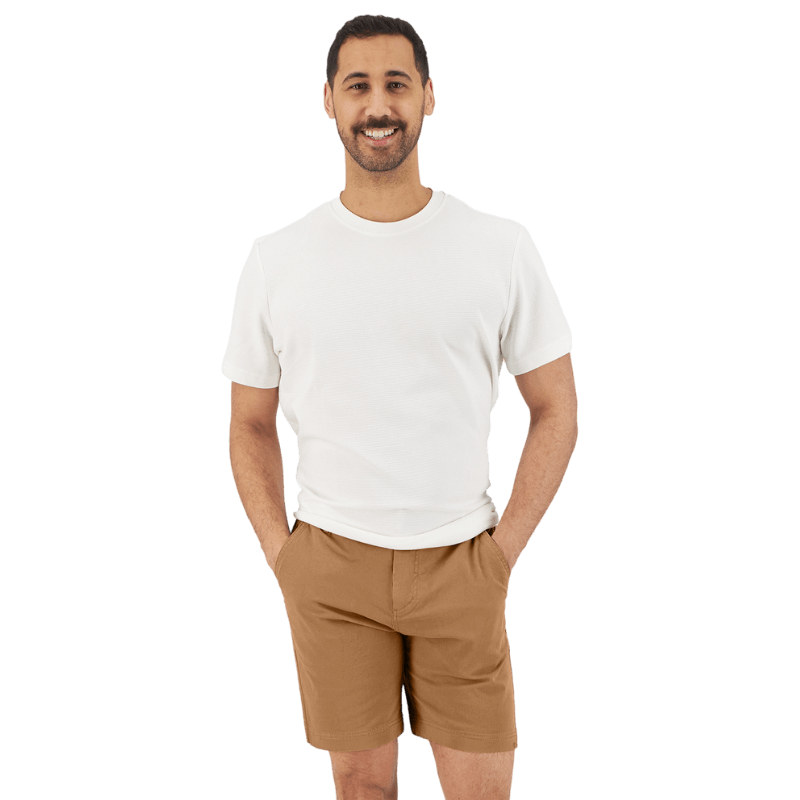

Men’s Shorts for Every Body Type: Finding the Perfect Fit
Two pairs of shorts can share the same waist size and fit completely differently. One may sit cleanly, while the other pulls, gaps or feels restrictive.
Why Some Shorts Just Look Wrong on You
That does not mean there is anything wrong with your build. Waist size is only one part of the fit. Your proportions, preferred coverage and plans for the shorts also matter.
A waist measurement says nothing about the rise, the leg opening or the inseam, and those three details decide how a pair sits once you put it on. A higher rise moves the waistband up and changes how much room you feel through the seat. A narrow leg opening grips the thigh even when the waist is right. A longer inseam pushes the hem towards the knee and shortens the leg visually.
Cuts are also drafted to different body proportions, which is why the same size behaves differently from brand to brand. So what shorts look best on my body type is a more useful question than which size you usually take. Once you know where your build needs structure and where it needs room, the rest stops being guesswork.

How Should Men’s Shorts Fit
So, how should men’s shorts fit? They should stay in place, give you room to move and finish at a length you feel confident wearing.
Before considering body shape or colour, check the waist, seat, thighs and hem. These areas reveal more than the size on the label.
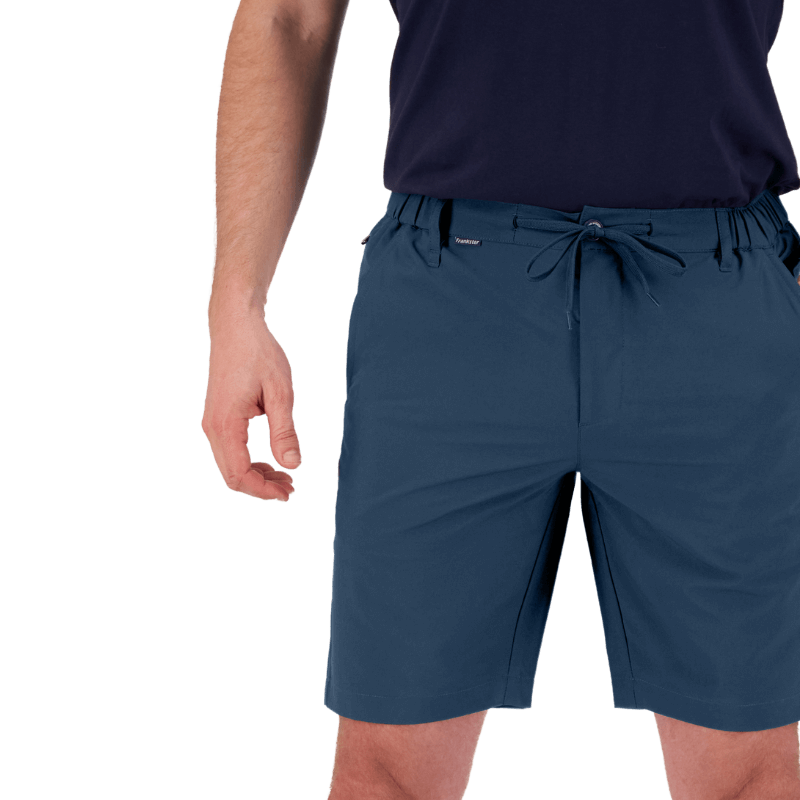
Waist. The waistband should stay in place without a tightly fastened belt. It should not dig in or gape when you sit. A partly elasticated waistband provides extra flexibility.
Seat. The fabric should follow your shape without pulling across the back or forcing the pockets open. If the waist fits but the seat feels tight, try a roomier cut instead of a larger waist.
Thighs. You need enough space to walk, sit and climb stairs without the fabric gripping your legs. Large folds of spare fabric may mean the cut is wider than you prefer.
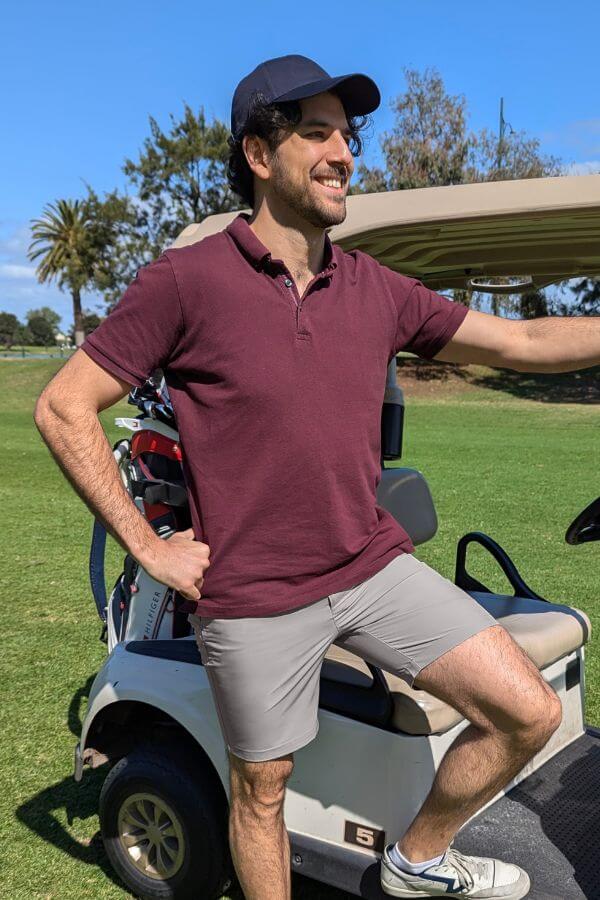
Hem. The hem should sit where you want the coverage to end. Above the knee is a versatile choice, but mid-thigh and knee-length shorts can work equally well depending on your height, leg length and personal style.
Rise and waistband style change the result as well. Rise affects where the shorts sit and how much room you feel through the seat, so two pairs with the same inseam can look different because one sits higher. A fixed waistband with belt loops gives a classic chino finish, while partly elasticated and drawstring options provide more flexibility. Features vary by style, so review the individual product details.
How to Pick Shorts for Your Body Type
Rectangle Build
If your shoulders, waist and hips are similar in width, a structured cut can provide a clean outline. Look for a straight leg, a tidy front and a hem that does not flare excessively. Slim fit shorts also work well on this frame, since there is no extra width at the hip to allow for.
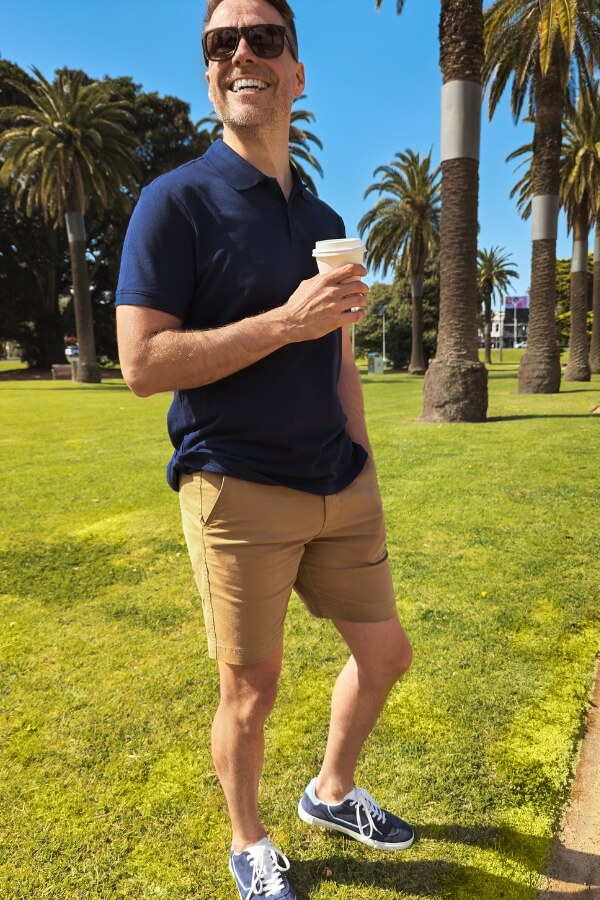
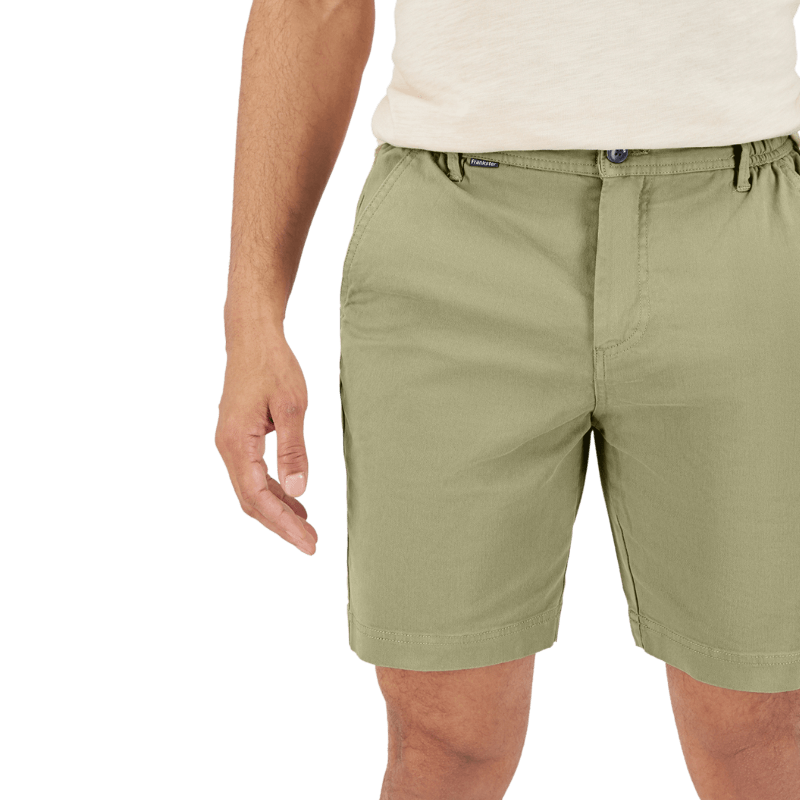
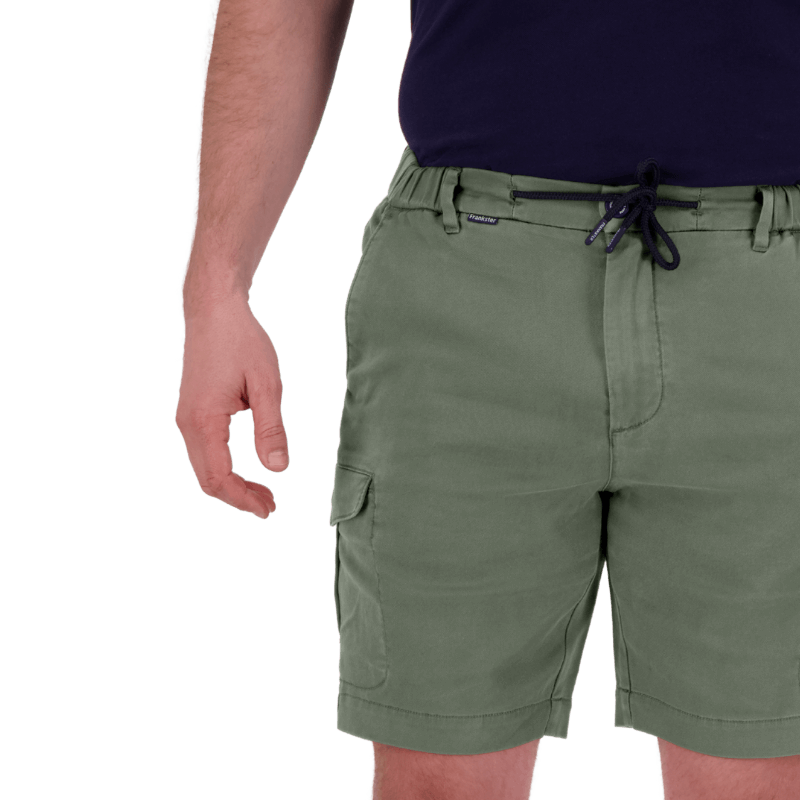
Frankster’s chino shorts use a 98% cotton and 2% spandex blend for structure with some flexibility. They suit lunches, casual offices and evenings out.
Triangle (Pear) Build
Men with a fuller seat, wider hips or thicker thighs often need more room below the waistband. Sizing up may loosen the waist without solving tightness through the legs.
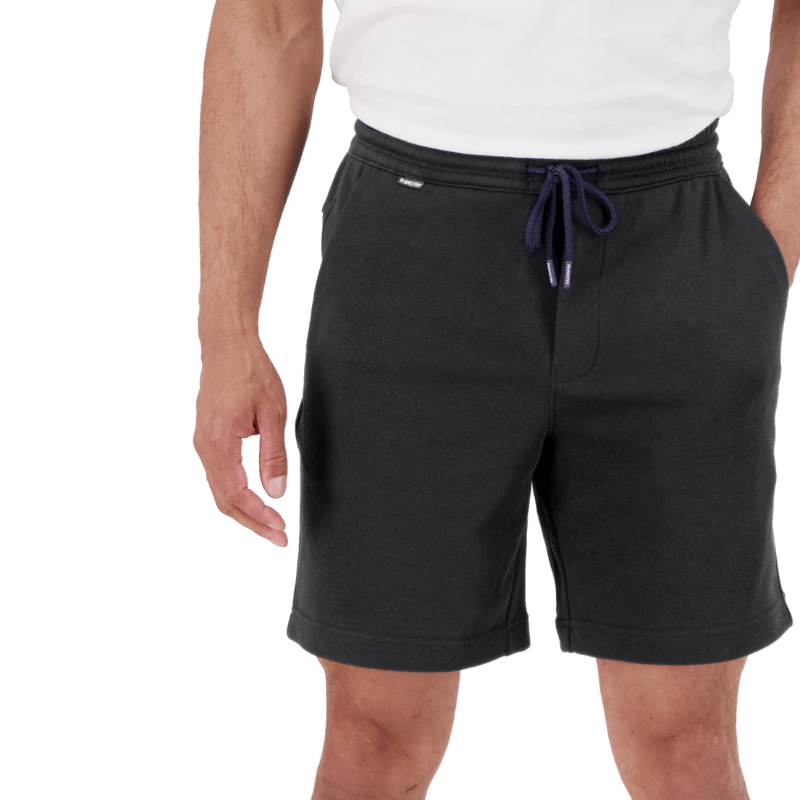
A straight or relaxed leg provides more space, while a slightly longer inseam adds coverage without requiring an oversized fit. If you have been wondering what shorts look good on thick thighs, men with this build usually need a wider leg opening rather than a larger waist size. Frankster’s 8-inch shorts are worth considering if you prefer more length.
Inverted Triangle Build
If your shoulders are broader than your hips, a straight cut with room at the hem can provide a more even overall shape. This is common on an athletic build, where most of the width sits in the upper body. A very narrow leg exaggerates the difference rather than balancing it.
Frankster’s 7-inch shorts offer versatile coverage across casual and smart-casual outfits.
Men’s Shorts Length Guide: Getting It Right for Your Height
Different shorts lengths change coverage and proportion, but height charts are only a guide. Two men of the same height can have different leg lengths.
| Inseam | Typical coverage | Good starting point for |
| 5 inches | Around mid-thigh | More leg, warm days and shorter coverage |
| 7 inches | Mid-thigh to above the knee | Versatile everyday wear |
| 8 inches | Closer to the knee | Additional thigh coverage |
| 9 inches or longer | Near the knee on many builds | Men who prefer a longer silhouette |
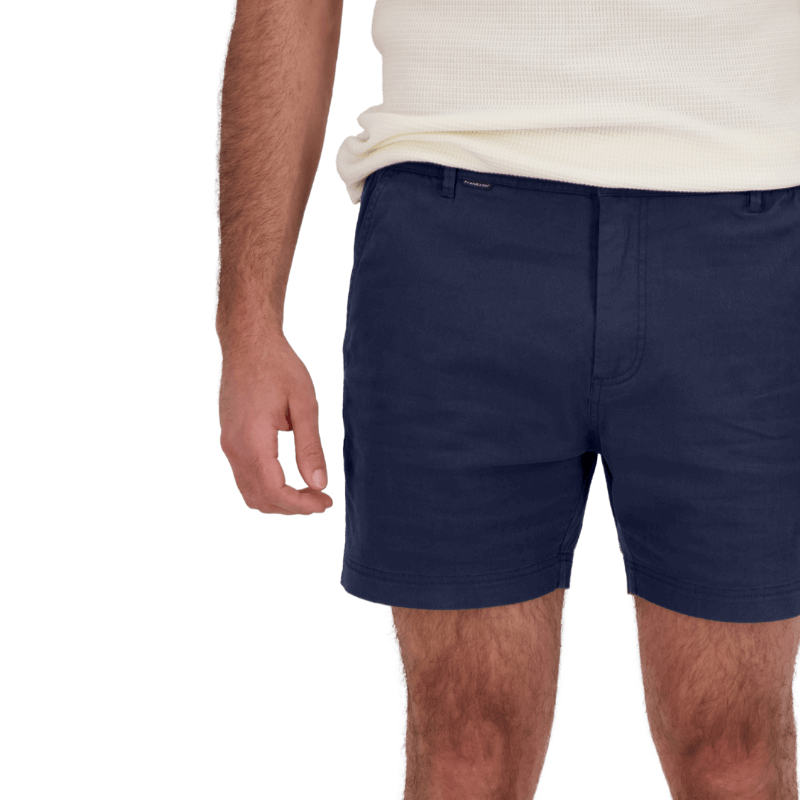
The best shorts for shorter men are not automatically the shortest pair available. A 5-inch or 7-inch inseam shows more leg, but the hem position matters more than the number. Frankster's 5-inch shorts provide a shorter option.
To measure shorts length, lay a pair flat and run a tape measure from the crotch seam to the hem. Compare that inseam with the online product measurements for a more reliable reference than height alone.

How Colour Affects the Way Shorts Look on You
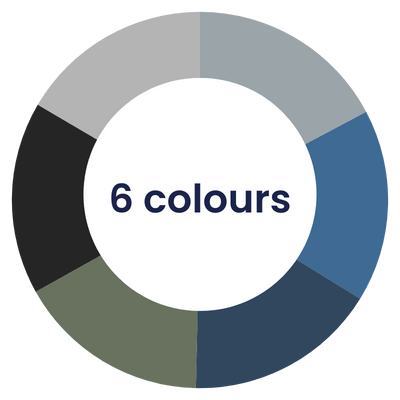
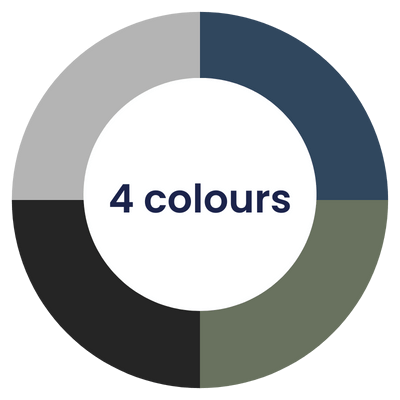
Once the fit and length are right, choose a colour that works with your wardrobe. Navy, grey, black and beige pair easily with shirts, polos and casual footwear.
Colour will not change your shape, but it does change where the eye lands. Darker shades keep the lower half quiet. Lighter neutrals create a relaxed warm-weather look, while brighter colours make the shorts more noticeable. Pair a stronger colour with a simple neutral for an easy contrast.
When you are deciding what colour shorts to wear, start with the shirts already in your wardrobe rather than with a trend. Colour should support the outfit, not compensate for your body shape.
Mistakes That Ruin a Good Pair
Most fit problems come from a handful of habits rather than unusual proportions.
- Sizing up to fix tight thighs. The waist ends up loose and the leg is often still snug. A different cut solves it; a bigger label rarely does.
- Choosing an inseam by height alone. Leg length varies between men of the same height, so the same number lands in a different place.
- Using a belt to hold up a waistband that is too big. If shorts need pulling in to stay put, the size or the waistband style is wrong.
- Ignoring the leg opening. A pair can measure correctly at the waist and seat and still grip just above the knee.
- Buying knee-length by default. Longer is not automatically safer, and a hem sitting on the kneecap restricts movement.
How to Tell If Your Shorts Fit Properly
Run through this quick check in the change room or as soon as an online order arrives:
- Fasten the shorts and check that the waistband stays secure.
- Sit down and confirm that the waist and seat remain comfortable.
- Take a long step or shallow squat to test the thighs.
- Check that the pockets stay flat rather than pulling open.
- Look at the hem while standing and sitting.
- Walk around and check for twisting, bunching or restriction.
Do not size up solely to solve a tight thigh or choose an inseam based only on height. A different cut will often help more than a different label.
Final Thoughts
Start with the waist and thighs, choose a comfortable inseam, then select the fabric and colour that suit your day.
Frankster fit-tests its styles on real Aussies across different shapes and sizes, with sizing up to 4XL depending on the product. The 100-Day Comfort Guarantee includes free returns if your first choice is not right.
How should men's shorts fit around the waist?
The waistband should remain secure without a tightly fastened belt and should not dig in when you sit. If it gaps while the thighs fit, try a different waistband or cut.
What length of shorts works best for shorter men?
A 5-inch or 7-inch inseam is a useful starting point. The best option depends on your leg length and preferred hem position, so compare it with a pair you enjoy wearing.
What shorts suit men with a rounder build?
Look for a secure, partly elasticated waistband that does not dig in, a mid rise and a relaxed straight leg. Coverage that finishes just above the knee usually sits better than a very short inseam.
How do I know if my shorts are too long?
They may be too long if the hem catches behind the knee, restricts movement or provides more coverage than you want. Knee-length shorts are still a valid choice when they feel comfortable.
Are shorts better above the knee or mid thigh?
Above-knee shorts are versatile, but they are not the only option. Mid-thigh styles provide less coverage, while Bermuda shorts finish closer to the knee.

 https://frankster.com.au
